Need furnace repair help in Richmond?
Tell us what your system is doing. Request a callback to check provider availability, or send a request and compare estimates with no obligation.
No obligationAC, Furnace and HVAC Help in Richmond, VA
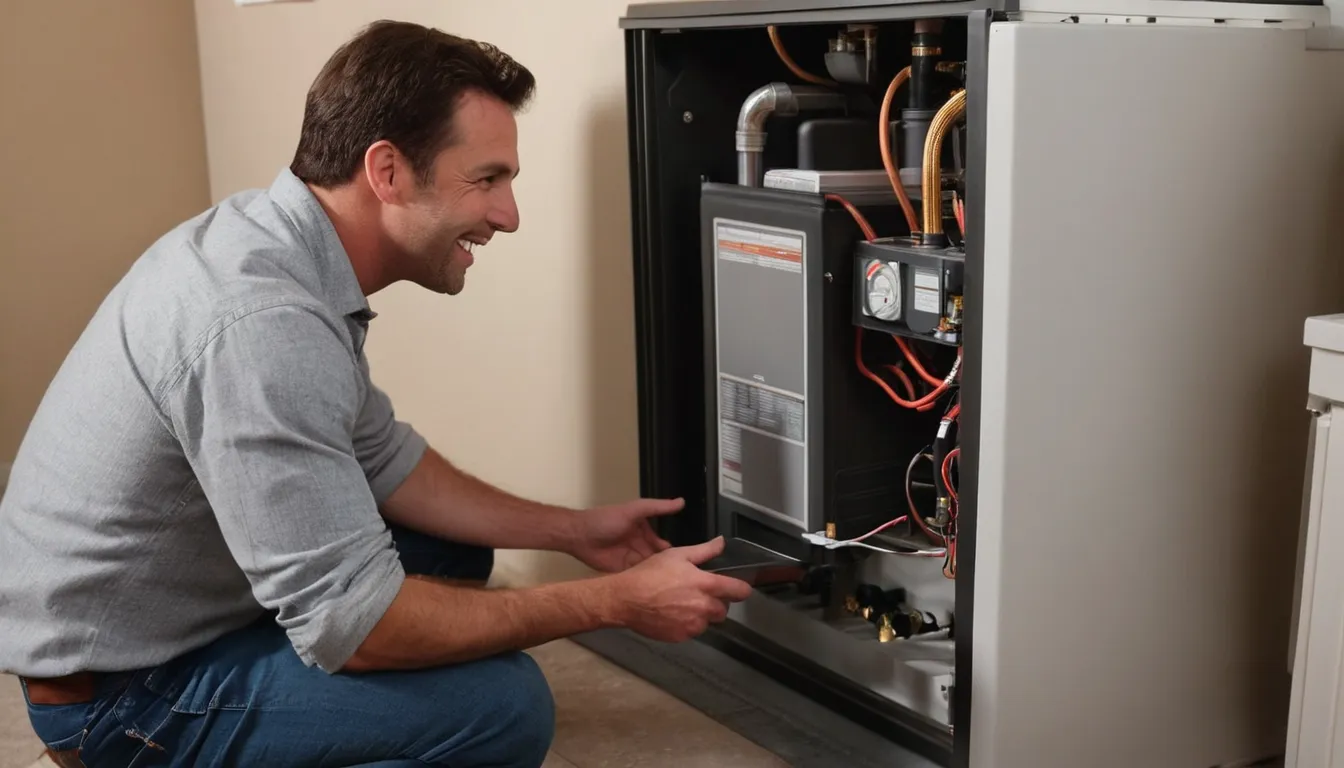
A furnace that fails in a Virginia winter is stressful. The house cools fast, and nor'easters and freeze-thaw nights make it worse. Oftenvisible Heating & Air is a referral service. We do not repair furnaces. We link you with independent providers in our network who do.
This page shows what to do first, what you can safely check, and what the early warning signs look like. You will also see typical costs and the questions to ask. Get your quote in writing. Compare, then decide. There is no obligation, and you set the pace. Whether you need heating and cooling help or just one clear answer, a local provider can look at the problem and explain your choices in plain words.
A rotten-egg smell can mean a gas leak. Do not wait to see if it fades.
Do not go back in until you are told it is safe. A repair provider can help only after the gas company clears the home.
Carbon monoxide (CO) is a gas you cannot see or smell. A furnace with a cracked part can leak it. If your CO alarm sounds, or anyone feels dizzy, sick, or has a headache, get everyone outside and call 911. Then have a provider check the furnace before you use it again.
Some fixes are simple. Try these first. They take a few minutes.
Set it to "heat." Turn the target temperature a few degrees above the room. Replace the batteries if the screen is blank.
A furnace has its own power switch. It looks like a light switch on or near the unit. Make sure it is on. Then check the breaker panel for a tripped breaker.
A clogged filter blocks airflow. The furnace then gets too hot and shuts off. If the filter is gray and thick with dust, swap it.
Make sure the supply vents are open. Move rugs and furniture off them. In a home with a basement, also look for a closed valve or a blocked return grille.
If none of this works, stop. Do not open the furnace panels yourself.
Small signs show up before a furnace quits. Spot them and you may avoid a bigger bill.
No heat is the most urgent case when it is freezing out. Keep warm with blankets and one closed-off room. Never use an oven or a gas stove to heat the home. Never run a grill or generator indoors. Then call a provider and ask about availability. Many providers can respond quickly, but hours vary.
You do not need to say yes to the first offer. Ask for a written quote from more than one provider if you can. Put the numbers side by side. Look at the part, the labor, and any warranty from the provider or maker. Then pick the one that makes sense to you.
The provider will usually follow a short path.
They ask what you have seen and heard. Then they run the furnace.
They check the igniter, sensors, blower, and gas valve. They may also check for cracks in the heat exchanger, the metal piece that warms the air.
A good provider tells you what failed, what it costs, and what could fail next. Ask for it in writing before work starts.
Most calls fall into a few groups.
Think about age first. Most furnaces last about 15 to 20 years. If yours is older and keeps breaking, a new one may save money over time. If a repair costs close to half the price of a new unit, compare both paths. A cracked heat exchanger is a safety issue, so ask your provider what they see.
If you search for furnace replacement near me, remember this page is about repair. Replacement quotes follow the same rule: get them in writing and compare.
A yearly tune-up from an HVAC service provider can catch wear before winter. Change filters every one to three months. Keep the area around the furnace clear. Older colonial and split-level homes often have long duct runs, so check for leaks and dust. Summer cooling trouble is a different job, such as emergency AC repair, and has its own page.
Tell us what is wrong and we will link you with a local provider. You decide what to do next.
Simple steps for the thermostat, filter, and power switch that you can try before you book a visit.
Learn the noises, smells, and habits that show a furnace needs help soon.
Ask each provider to list parts and labor so you can compare clearly.
Weigh age, repair cost, and safety so you can pick the path that fits your home.
Prices vary by home, part, and provider. These are typical U.S. ranges only. Your quote may be higher or lower, so ask for the final price in writing before work starts.
| Item | Typical range | Notes |
|---|---|---|
| Diagnostic visit | $75 – $200 | Often applied to the repair if you proceed |
| Igniter or flame sensor | $100 – $350 | Common cause of no heat |
| Blower motor | $400 – $1,500 | Cost depends on motor type |
| Capacitor or relay | $120 – $400 | Small part, quick fix |
| Circuit board | $300 – $900 | Varies by brand and model |
| Heat exchanger repair | $1,500 – $3,500 | Often leads to a replacement talk |
If you smell gas or a CO alarm sounds, leave the home and call 911 first.
Test the thermostat, power switch, breaker, and filter. Do not open furnace panels.
Request a callback to check provider availability, or send the request form.
Get the price in writing, ask questions, and choose at your own pace.
You get clear steps and can take your time. There is no obligation to hire anyone.
Independent providers in our network know local homes and winter weather.
See more than one quote in writing before you decide.
Spot small signs now and avoid bigger repairs when it turns cold.
Tell us what your system is doing. Request a callback to check provider availability, or send a request and compare estimates with no obligation.
No obligationCommon causes are a dirty filter, a closed vent, a weak blower, or a failed part. Check the filter and vents first. If the air stays cool, a provider should inspect the unit.
Not always. A rotten-egg smell means leave and call 911 or your gas utility. A burning smell that stays also needs a provider. Turn the furnace off until it is checked.
Look at age, repair cost, and safety. A unit over 15 years old with repeated faults may be worth replacing. Ask providers for written quotes on both options.
Tell us what your system is doing. Request a callback to check provider availability, or send a request and compare estimates with no obligation.
No obligation